Understanding Cultural Heritage in Modern East Asia

Updated: Mar 28
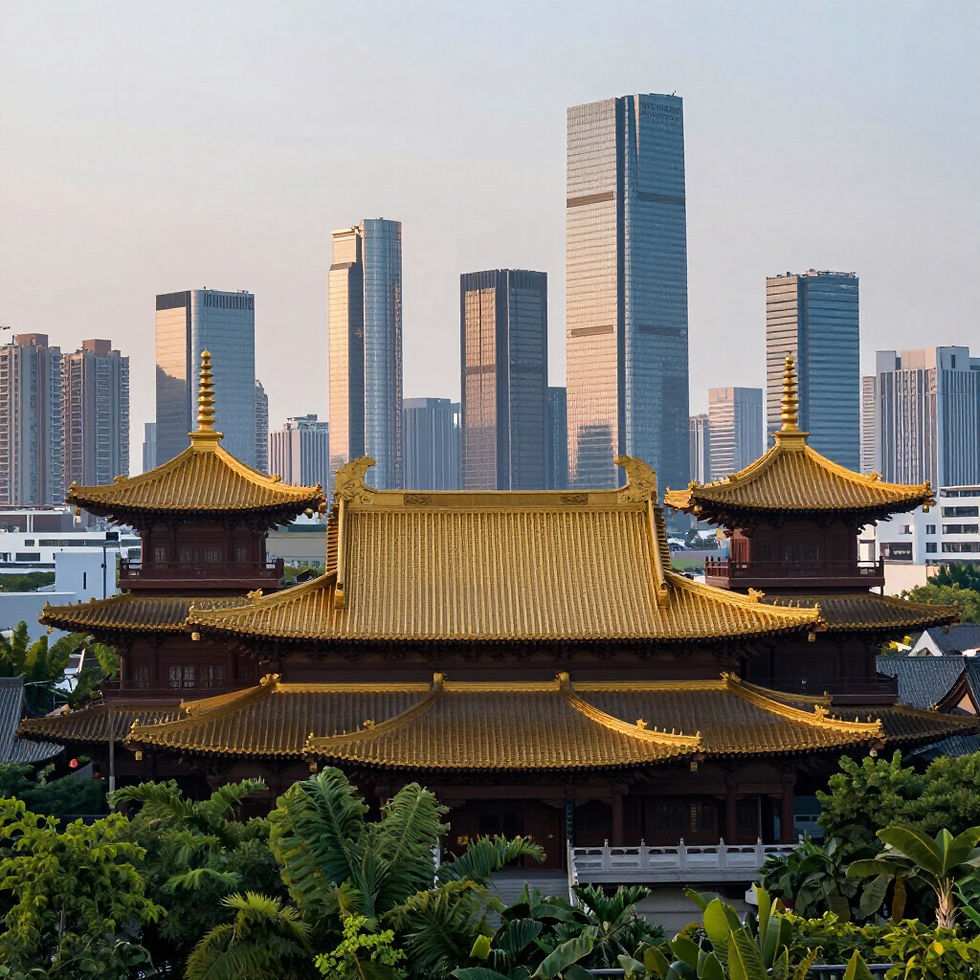
Cultural heritage is a vital aspect of identity and continuity in societies around the world. In East Asia, a region rich in history and diversity, cultural heritage plays a significant role in shaping contemporary life. From ancient traditions to modern interpretations, understanding cultural heritage in this area requires a nuanced exploration of its various dimensions. This blog post delves into the significance of cultural heritage in modern East Asia, examining its impact on identity, tourism, and social cohesion.
The Importance of Cultural Heritage
Cultural heritage encompasses the traditions, customs, artifacts, and monuments that define a community's identity. In East Asia, this heritage is not merely a relic of the past; it is a living, evolving entity that influences daily life. Here are some key reasons why cultural heritage is essential:
Identity Formation: Cultural heritage helps individuals and communities establish a sense of belonging. In countries like Japan, China, and Korea, traditional practices and festivals reinforce cultural identity.
Historical Continuity: Heritage sites and practices serve as reminders of historical events and narratives. They connect current generations with their ancestors, fostering a sense of continuity.
Economic Value: Cultural heritage can drive economic growth through tourism. Many East Asian countries leverage their rich histories to attract visitors, creating jobs and supporting local economies.
Social Cohesion: Shared cultural heritage can unite diverse groups within a society. Festivals, rituals, and communal activities promote social bonds and mutual understanding.
Cultural Heritage in East Asia: A Brief Overview
East Asia comprises several countries, each with its unique cultural heritage. Here’s a brief overview of the cultural landscapes in this region:
China
China boasts one of the world's oldest continuous civilizations, with a rich tapestry of cultural heritage. Key elements include:
Historical Sites: The Great Wall, the Forbidden City, and the Terracotta Army are UNESCO World Heritage Sites that attract millions of tourists annually.
Traditional Practices: Festivals like the Chinese New Year and the Mid-Autumn Festival celebrate age-old customs, emphasizing family and community.
Japan
Japan's cultural heritage is characterized by a blend of ancient traditions and modern influences. Notable aspects include:
Art and Craftsmanship: Traditional arts such as tea ceremonies, calligraphy, and ikebana (flower arranging) reflect Japan's aesthetic values.
Architecture: Historic temples and shrines, such as Kyoto's Kinkaku-ji, showcase the country's architectural prowess and spiritual significance.
Korea
Korea's cultural heritage is marked by its unique language, cuisine, and traditions. Important features include:
Cultural Festivals: Events like Chuseok (Korean Thanksgiving) and Seollal (Lunar New Year) highlight the importance of family and ancestral respect.
Traditional Music and Dance: Forms like pansori (narrative singing) and samulnori (percussion music) are integral to Korea's cultural expression.
The Role of Cultural Heritage in Modern Society
In contemporary East Asia, cultural heritage is not static; it adapts to modern contexts while retaining its core values. Here are some ways cultural heritage influences modern society:
Education and Awareness
Educational institutions play a crucial role in promoting cultural heritage. Schools incorporate traditional arts, history, and language into their curricula, fostering appreciation among younger generations. For example, in Japan, students learn about the significance of traditional festivals and crafts, ensuring that these practices continue to thrive.
Tourism and Economic Development
Cultural heritage is a significant driver of tourism in East Asia. Countries like China and Japan have developed extensive tourism infrastructures around their heritage sites. This not only boosts local economies but also raises awareness about the importance of preserving cultural heritage. Tourists are often drawn to experiences that allow them to engage with local traditions, such as participating in tea ceremonies or attending traditional performances.
Preservation Efforts
As urbanization and globalization threaten traditional practices, many East Asian countries are implementing preservation initiatives. Governments and NGOs work together to protect heritage sites and promote cultural activities. For instance, South Korea has established the Cultural Heritage Administration to oversee the preservation of historical sites and intangible cultural assets.
Cultural Exchange and Globalization
In an increasingly interconnected world, cultural exchange has become more prevalent. East Asian countries actively participate in global dialogues about cultural heritage, sharing their traditions while also learning from others. This exchange enriches cultural practices and fosters mutual respect among nations.
Challenges to Cultural Heritage
Despite its significance, cultural heritage in East Asia faces several challenges:
Urbanization
Rapid urbanization often leads to the destruction of historical sites and traditional neighborhoods. As cities expand, many heritage sites are at risk of being replaced by modern developments. For example, in Beijing, the rapid construction of high-rise buildings has threatened the preservation of traditional hutongs (narrow alleys).
Globalization
While globalization promotes cultural exchange, it can also dilute local traditions. The proliferation of Western culture through media and consumerism can overshadow traditional practices. Many young people in East Asia are increasingly drawn to global trends, leading to a decline in the popularity of local customs.
Environmental Factors
Natural disasters and climate change pose significant threats to cultural heritage sites. Rising sea levels, earthquakes, and extreme weather events can damage or destroy historical landmarks. For instance, the ancient city of Lijiang in China has faced challenges due to increased rainfall and flooding.
Case Studies of Cultural Heritage Preservation
To illustrate the importance of cultural heritage preservation, let's examine a few successful case studies from East Asia:
The Great Wall of China
The Great Wall, a UNESCO World Heritage Site, is one of the most iconic symbols of Chinese culture. Preservation efforts have included restoration projects and strict regulations to protect the site from vandalism and environmental damage. These initiatives ensure that future generations can appreciate this monumental achievement.
Kyoto's Historic Districts
Kyoto, Japan, is renowned for its well-preserved historic districts, such as Gion and Higashiyama. Local authorities have implemented measures to maintain traditional architecture and promote cultural tourism. By balancing modernization with preservation, Kyoto serves as a model for other cities facing similar challenges.
Hanok Villages in Korea
In South Korea, the preservation of hanok (traditional Korean houses) has gained momentum. The government has designated specific areas, such as Bukchon Hanok Village in Seoul, as cultural heritage sites. These efforts promote tourism while allowing residents to maintain their traditional lifestyles.
The Future of Cultural Heritage in East Asia
Looking ahead, the future of cultural heritage in East Asia will depend on a collective commitment to preservation and adaptation. Here are some key considerations:
Embracing Technology
Technology can play a vital role in preserving cultural heritage. Digital archiving, virtual reality experiences, and online platforms can help document and share cultural practices. For example, museums in East Asia are increasingly using virtual tours to engage global audiences.
Community Involvement
Local communities must be actively involved in heritage preservation efforts. Grassroots movements can raise awareness and foster a sense of ownership over cultural practices. Engaging younger generations through educational programs and cultural events can ensure the continuity of traditions.
Sustainable Practices
Balancing tourism with sustainability is crucial for preserving cultural heritage. Developing eco-friendly tourism practices can minimize the environmental impact on heritage sites while promoting local economies. For instance, promoting responsible tourism that respects local customs can enhance the visitor experience while protecting cultural integrity.
Conclusion
Cultural heritage in modern East Asia is a dynamic and essential aspect of society. It shapes identities, fosters social cohesion, and drives economic growth. While challenges such as urbanization and globalization threaten these traditions, proactive preservation efforts can ensure their survival. By embracing technology, involving communities, and promoting sustainable practices, East Asia can continue to celebrate its rich cultural heritage for generations to come. Understanding and valuing this heritage is not just about preserving the past; it is about enriching the future.


Comments