Cross-Cultural Insights: Lessons from Korea and Japan

Updated: Mar 28
Understanding different cultures is essential in our increasingly interconnected world. Korea and Japan, two neighboring countries in East Asia, offer rich cultural tapestries that provide valuable insights into their unique ways of life. This blog post explores the key cultural lessons we can learn from these nations, focusing on their traditions, social norms, and values.

The Importance of Respect and Hierarchy
Confucian Influence
Both Korea and Japan have been significantly influenced by Confucianism, which emphasizes respect for authority and social hierarchy. In these cultures, age and status play a crucial role in interpersonal relationships.
Korea: In Korean culture, the concept of "nunchi," or the ability to gauge others' feelings and moods, is vital. This skill helps maintain harmony and respect in social interactions. Elders are treated with great respect, and younger individuals often bow as a sign of deference.
Japan: Similarly, in Japan, respect for elders and authority figures is deeply ingrained. The Japanese language even has different levels of politeness, which reflect the speaker's relationship with the listener. This linguistic nuance reinforces the importance of hierarchy and respect.
Practical Application
Understanding these cultural nuances can enhance communication and relationships in both personal and professional settings. When interacting with individuals from these cultures, showing respect through appropriate greetings and language can foster goodwill and cooperation.
The Role of Community and Collectivism
Group Orientation
Korea and Japan both prioritize community and collective well-being over individualism. This collectivist mindset shapes various aspects of life, from family structures to workplace dynamics.
Korea: Family is central to Korean culture, and decisions are often made with the family's best interests in mind. This collective approach extends to friendships and social groups, where loyalty and support are paramount.
Japan: In Japan, the concept of "wa," or harmony, is crucial. Maintaining group harmony often takes precedence over individual desires. This is evident in the workplace, where teamwork and consensus-building are emphasized.
Practical Application
For those working or living in these cultures, embracing a team-oriented mindset can lead to more effective collaboration. Recognizing the importance of group dynamics can help in building stronger relationships and achieving common goals.
The Art of Communication
Indirect vs. Direct Communication
Communication styles in Korea and Japan differ significantly from those in many Western cultures. Both nations tend to favor indirect communication, which can sometimes lead to misunderstandings.
Korea: Koreans often use subtle cues and non-verbal communication to convey messages. This can include tone of voice, body language, and even silence. Being attuned to these signals is essential for effective communication.
Japan: In Japan, the concept of "tatemae" (the public facade) and "honne" (the true feelings) illustrates the complexity of communication. People may express themselves in a way that maintains social harmony, even if it means not being completely honest.
Practical Application
When communicating with individuals from Korea or Japan, it is important to be aware of these indirect styles. Listening carefully and observing non-verbal cues can enhance understanding and foster better relationships.
The Significance of Tradition and Ritual
Cultural Heritage
Both Korea and Japan have rich traditions that are celebrated through various rituals and festivals. These customs not only reflect their historical roots but also reinforce community bonds.
Korea: Traditional holidays like Chuseok (harvest festival) and Seollal (Lunar New Year) are times for families to come together, honor ancestors, and celebrate cultural heritage. These occasions are marked by specific rituals, such as preparing traditional foods and performing ancestral rites.
Japan: Japan's festivals, or "matsuri," often involve elaborate rituals, parades, and traditional performances. Events like Hanami (cherry blossom viewing) and Tanabata (star festival) highlight the importance of nature and seasonal changes in Japanese culture.
Practical Application
Participating in or respecting these traditions can deepen cultural understanding and appreciation. Engaging in local customs during visits or interactions can create meaningful connections and demonstrate respect for cultural heritage.
The Balance of Modernity and Tradition
Navigating Change
Both Korea and Japan are known for their rapid modernization, yet they have managed to retain their cultural identities. This balance between tradition and modernity is a key lesson for many societies.
Korea: The rise of K-pop and Korean cinema has put Korea on the global stage, showcasing its modern culture while still honoring traditional values. This blend of old and new is evident in architecture, fashion, and cuisine.
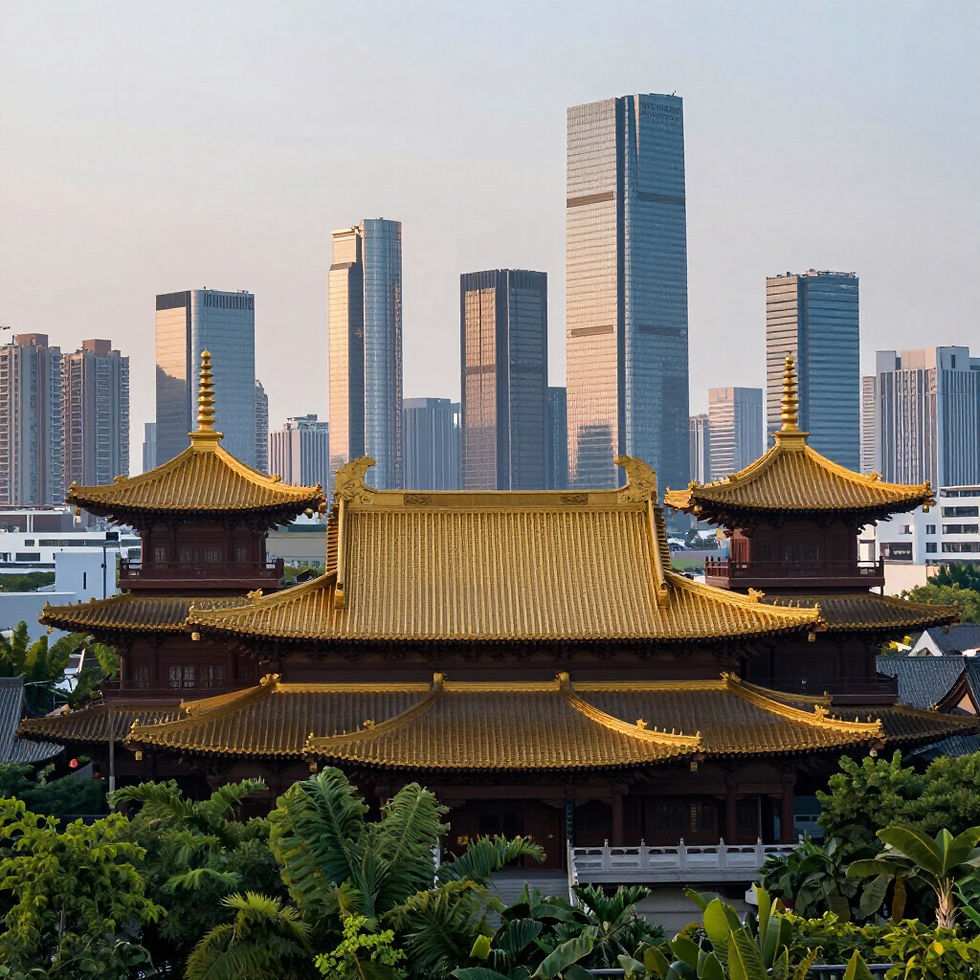
Japan: Japan is a leader in technology and innovation, yet it remains deeply connected to its traditions. The coexistence of ancient temples alongside modern skyscrapers illustrates this balance.
Practical Application
Embracing both modernity and tradition can lead to a more enriched life. Learning from Korea and Japan, individuals can find ways to innovate while respecting their cultural roots.
Conclusion
Korea and Japan offer profound insights into the importance of respect, community, communication, tradition, and the balance of modernity and heritage. By understanding and appreciating these cultural lessons, we can foster better relationships and navigate our increasingly globalized world with greater empathy and awareness.
As you explore these cultures, consider how these insights can apply to your own life. Whether through travel, study, or personal connections, embracing the lessons from Korea and Japan can lead to a more fulfilling and enriched experience.

Comments